
In a recent conversation with a long-term Stronghold client and close friend, we reflected on what actually makes training work over years rather than weeks. The answer wasn’t novelty or motivation. It was consistency, trust, and a shared understanding that strength is a long game.
Most people approach strength training with short-term expectations.
They want visible change in weeks.
They want measurable progress every session.
They want constant upward momentum.
But strength — real, sustainable strength — doesn’t work like that.
After years of coaching and long-term training relationships at The Stronghold, one thing becomes clear:
The people who make the most progress aren’t the most intense.
They’re the most consistent.
And consistency is a long game.
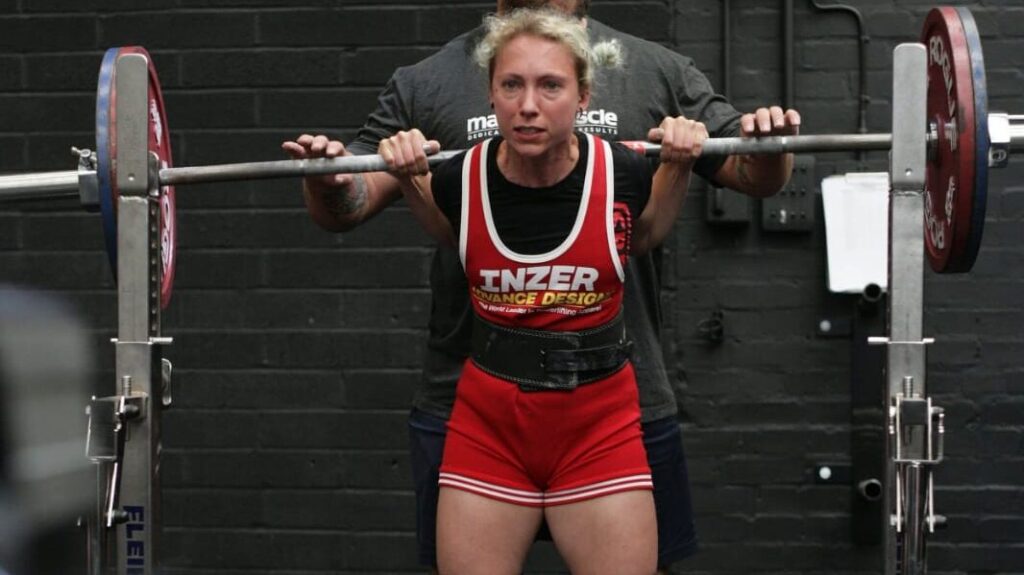
Why Most Strength Progress Stalls
One of the biggest misconceptions in training is that more equals better.
More sets.
More sessions.
More intensity.
More volume.
It feels productive. It feels committed. It feels disciplined.
But simply increasing training volume — especially without improving recovery capacity — often leads to one thing:
A halt in progress.
Here’s why.
Strength isn’t built during training.
It’s built during recovery.
Training is the stimulus. Recovery is the adaptation.
When volume increases faster than your ability to recover — sleep, nutrition, stress management, age, life demands — progress stalls. You may not feel injured, but performance plateaus. Motivation drops. Fatigue accumulates quietly.
More isn’t necessarily better.
Better is better.
And “better” usually means appropriately dosed, repeatable, sustainable work.

Long-Term Coaching Reveals a Different Pattern
In long-standing coaching relationships, patterns emerge.
The clients who thrive over years:
- Rarely chase extremes
- Adjust volume intelligently
- Accept slower progress phases
- Protect recovery as much as they protect intensity
They don’t panic when numbers stall for a few weeks. They understand that progress isn’t linear — it’s cyclical.
There are phases of push.
There are phases of consolidation.
There are phases of maintenance.
And all of them matter.
The long game isn’t about constant acceleration.
It’s about staying in motion without burning out.
The Discipline Myth
Many people think discipline means:
- Training hard no matter what
- Never missing sessions
- Pushing through fatigue
But long-term discipline looks different.
It means:
- Adjusting the session when sleep was poor
- Reducing load when joints are irritated
- Prioritising recovery when life stress spikes
That’s not weakness. That’s maturity.
The strongest trainees are not the ones who ignore signals. They’re the ones who respond intelligently to them.
Protect Recovery Like It’s Part of the Program
Recovery isn’t passive. It’s programmed.
If you’re increasing training volume, you must increase recovery inputs:
- Sleep quality and duration
- Protein and total calorie intake
- Stress management
- Deload phases
If those don’t improve, adding more work simply creates accumulated fatigue.
A useful rule:
Don’t increase volume unless your recovery habits have improved first.
That mindset alone prevents many plateaus.
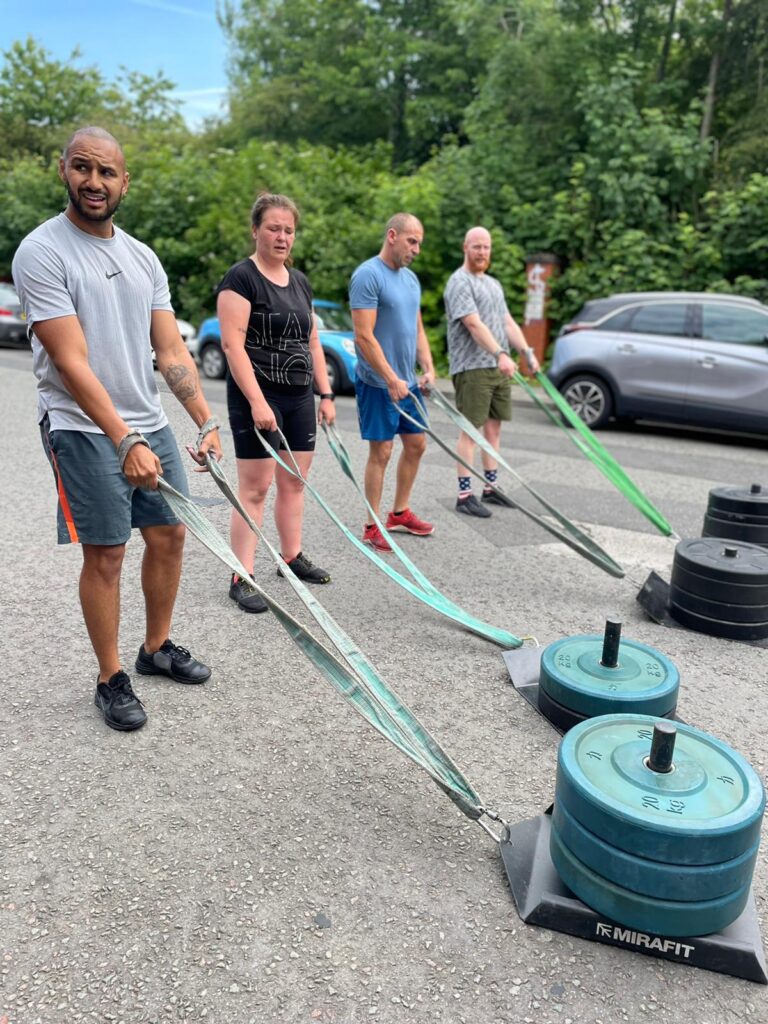
Motivation Changes — Systems Sustain
Motivation is unreliable. It fluctuates with mood, stress, environment, and season.
Long-term trainees don’t rely on motivation. They rely on structure.
They:
- Train at the same time each week
- Have a plan before they arrive
- Track enough to see trends, not obsess over daily numbers
- View missed sessions as minor detours, not failures
When training becomes structured rather than emotional, progress becomes predictable.
What Real Long-Term Progress Actually Looks Like
Over five years, sustainable strength training looks like:
- Fewer injuries
- Better joint resilience
- More confidence under load
- Gradual increases in capacity
- The ability to take breaks without losing everything
It doesn’t look like constant personal bests. It looks like quiet capability.
That’s the difference between chasing performance and building strength for life.
Coaching Relationships That Last Share One Thing
Trust.
Trust in the process.
Trust in adjustments.
Trust that not every week needs to be maximal.
In long-term coaching, progress is measured across seasons — not sessions.
When clients understand that:
- Volume is a tool, not a badge of honour
- Recovery drives adaptation
- More work doesn’t equal more progress
They stay consistent. And consistency compounds.
The Long Game Always Wins
Thanks for reading
Matt